Decisions rest on assumptions.
We test them.
What we do.
What each practice delivers, at a glance.
01 Intermediation
Verify who you are dealing with.
02 Compliance
Prove what you supply and where it comes from.
03 Procurement
Win work that demands evidence.
04 Intelligence
Find where demand is real.
Where the rules are changing.

Where the assumptions matter most.
Seven sectors, each with its own evidence.
 01
Defence & aerospace
Market entry, export controls and the evidence buyers and primes require.
 02
Critical minerals & rare earths
Who owns, mines and processes the material you depend on.
 03
Energy & industrial materials
Supplier, installation and counterparty evidence for carbon and sanctions exposure.
 04
Food & agriculture
EU deforestation evidence, origin and counterparty standing.
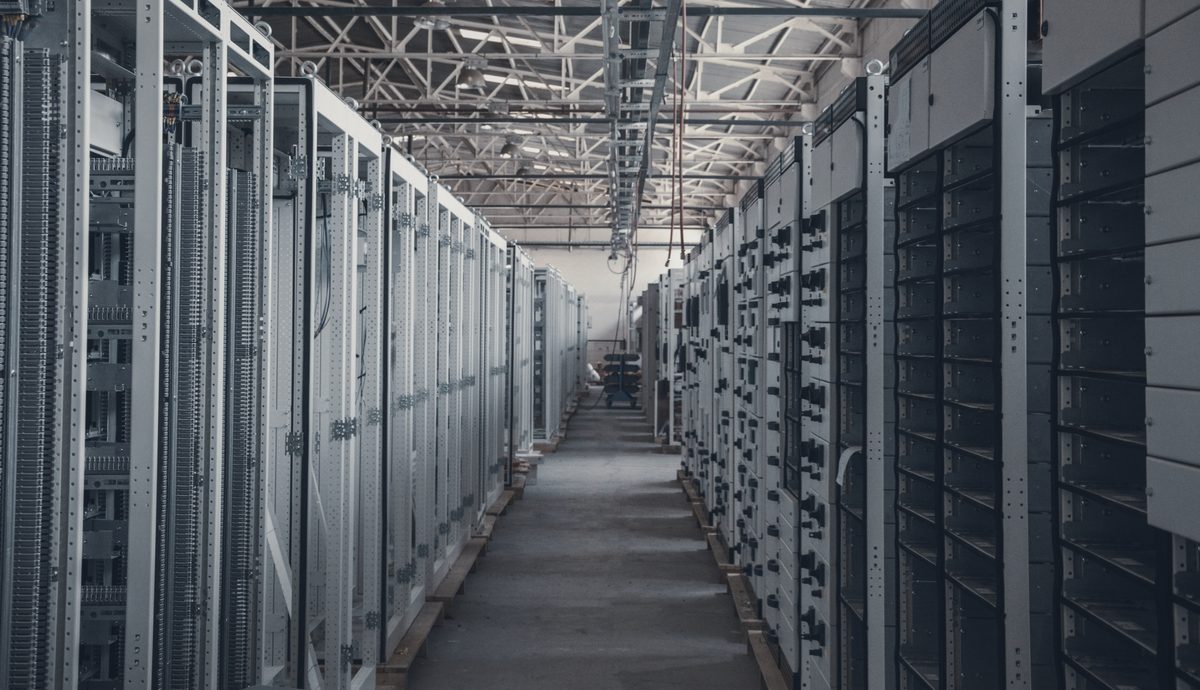 05
Data centres & robotics
Origin evidence for suppliers, and a route in for new entrants.
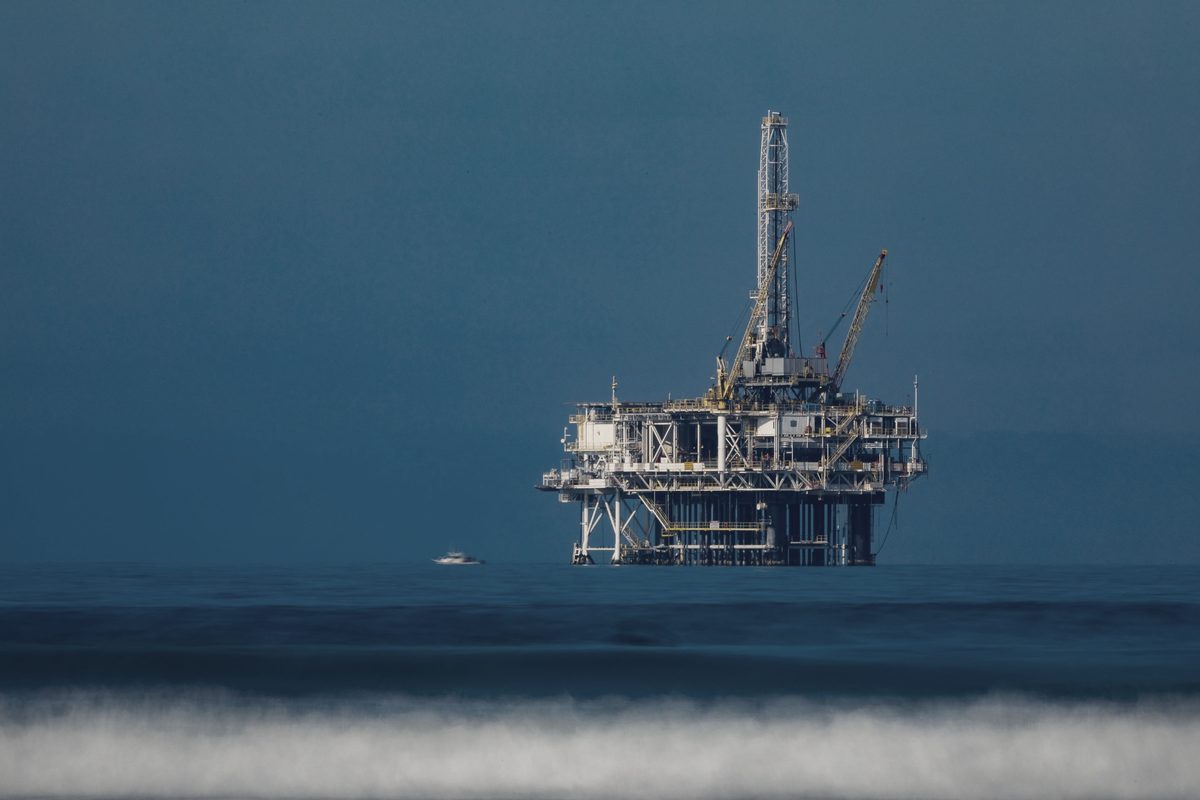 06
Cross-border trade & sanctions
Counterparty, ownership, destination and route, tested before you commit.
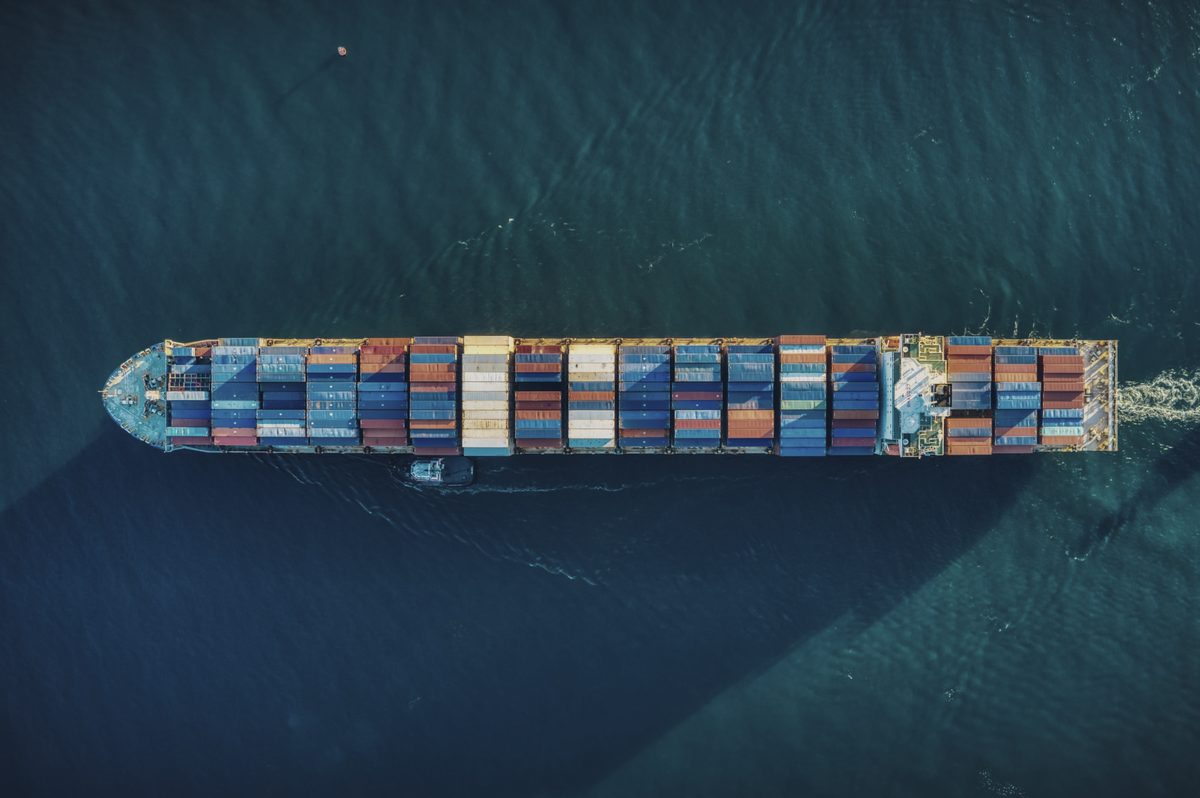 07
Fashion & consumer goods
Forced-labour exposure and origin evidence below your first tier.
Export controls
ITAR, EAR, ECJU and OFSI: posture, programmes and transaction diligence for defence and dual-use suppliers.
Latest thinking.
Dated insights on the regulatory and supply shifts our clients are working through. Each is sourced, and each ends with what to check.
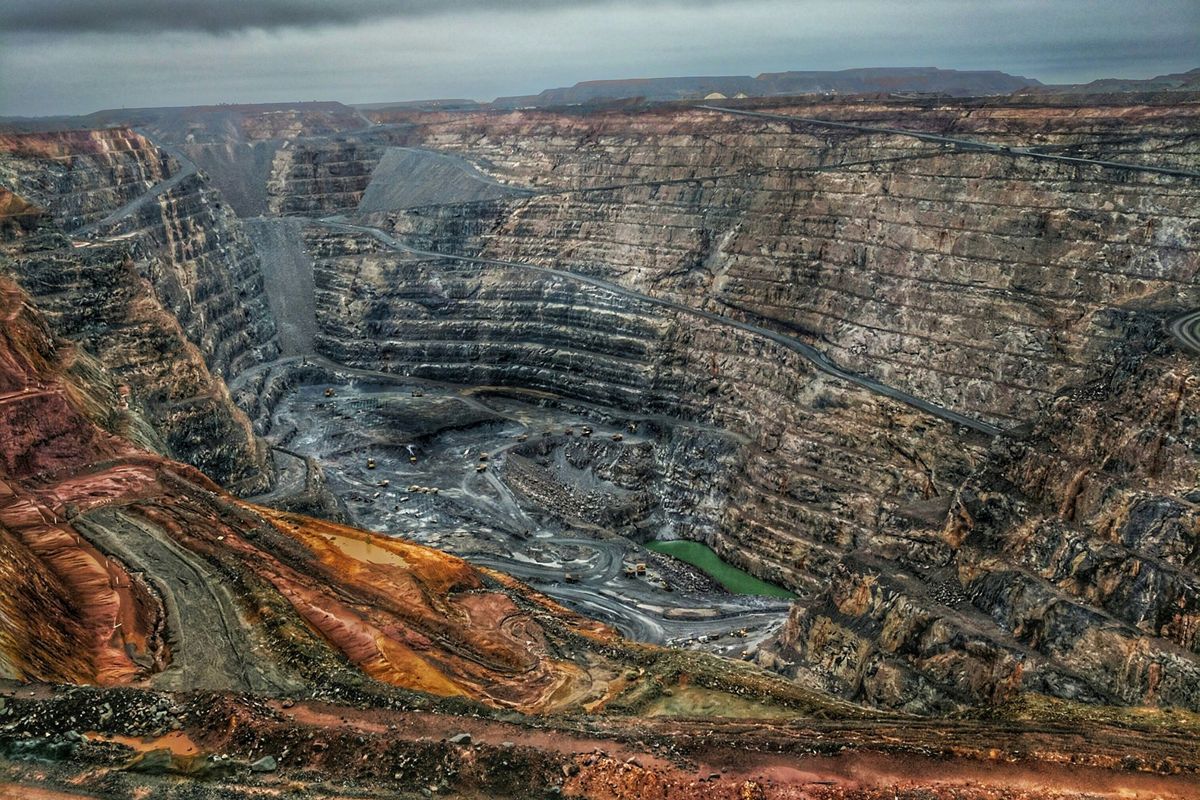
When a mine changes hands, the supplier evidence stays behind.
Contracts can follow a mine to its new owner. The checks behind them usually cannot. For anyone taking over an operating or restarting mine, that gap tends to surface at completion, when lenders, partners and regulators all start asking the same questions in the same few weeks.

SAFE money is moving. Suppliers will have to prove where 65 per cent of the cost comes from.
The EU has now allocated almost €13.5 billion of SAFE pre-financing to eleven member states, with the rest of the €150 billion paid as milestones are met. Every procurement it funds must source at least 65 per cent of component cost from the EU, EEA-EFTA states or Ukraine. The UK is outside the scheme, so British content counts against the 35 per cent.

1,569 new EU listings. A September screen will miss them.
On 12 October the EU added 826 Russian companies and 743 of their chief executives to its sanctions list, its largest single expansion since 2022. They are the mid-level suppliers behind Russia’s missiles, drones and aircraft. Exporters, distributors and their banks should rescreen now, not at the next scheduled review.

Delisted is not clean. What buyers of previously sanctioned tankers will need to show.
A US licence may soon let some previously sanctioned tankers trade again. It will not make them clean for UK or EU counterparties, insurers or lenders. Buyers who can evidence a fully severed ownership chain and a clean record from here on will close their deals.
Your EU customer files the EUDR statement. The evidence starts with you.
Since the December 2025 revision, only the business that first places goods on the EU market files the EUDR due diligence statement. For most exporters outside the EU, that is their customer. The information behind it still has to come from the supplier, and customers will ask for it before 30 December.
CBAM’s first real year. The bill is small; the data is not.
The EU carbon border adjustment has charged for embedded emissions since 1 January. Certificates for 2026 imports go on sale in February 2027 and must be surrendered by 30 September 2027. The 2026 charge is small, but it rises every year, and what it costs depends on data most importers do not yet hold.
China’s rare earth pause has two more months. Plan as if it ends.
China’s suspension of its October 2025 rare earth controls was due to end on 10 November. The US-China truce behind it now runs to 10 January 2027. The April 2025 licensing on seven medium and heavy rare earths never stopped. Magnet-dependent supply chains should plan for both.

EUDR applies on 30 December. There will be no further delay.
After two postponements, the EU Deforestation Regulation applies to large and medium operators on 30 December 2026. The Commission’s May review simplified the guidance but confirmed the date. Geolocation for every plot is still the requirement most supply chains cannot meet.

Failure to prevent fraud, one year on. What “reasonable procedures” means for your third parties.
Since 1 September 2025, large organisations are liable for fraud committed by employees, agents and subsidiaries for their benefit. The main defence is reasonable procedures, and third parties are where most organisations are thinnest.

Over 670 listed tankers. Screen the shadow fleet by IMO number, not by name.
The EU has now listed more than 670 vessels in Russia’s shadow fleet, and the UK close to 600. Coastal states are boarding ships that fly false flags. For traders, charterers and buyers, the risk sits in the ship as much as the counterparty.

The EU forced labour ban applies in 14 months. The guidance is out; the risk database is not.
From 14 December 2027 no product made with forced labour may be sold in or exported from the EU. The Commission’s guidelines arrived in late June 2026. Its database of risk areas, due the same month, is still in development.
The UK debarment list is still empty. Your subcontractors still count.
More than a year and a half into the Procurement Act 2023, no supplier has been placed on the central debarment list. But contracting authorities must check every intended subcontractor against it, and an excluded subcontractor can exclude the prime.

The US “affiliates rule” is paused, not gone. Check who owns your customers.
Washington’s pause on the BIS affiliates rule was due to end on 9 November and is expected to follow the US-China truce to 10 January 2027. When it returns, companies 50% or more owned by listed parties face the same restrictions as their owners, whether or not they appear on any list.
The largest UFLPA expansion yet reaches aluminium and copper.
Forty-three companies joined the UFLPA Entity List in August, taking it to 187. Aluminium and copper now sit beside cotton and tomatoes, which brings transformer, cable and busbar supply chains into scope.