
Sectors / 03
Energy & industrial materials
We show importers, exporters and traders of energy and industrial materials who made their goods, who owns their counterparties, and what that means for carbon and sanctions exposure.
What is changing, and what it means for you.
What is changing
- The EU carbon border charge now applies to steel, aluminium, cement, fertilisers and hydrogen; the UK’s version starts in January 2027.
- Sanctions on crude, products and the vessels that carry them keep widening.
- Re-sourcing away from Russian supply has added intermediaries to many chains.
Who it affects
Importers of steel, aluminium, cement and fertiliser into the EU or UK, exporters selling those goods into the EU, and traders and charterers moving crude, products and feedstock.
The problem it creates
The carbon cost depends on which installation made each shipment, which many importers cannot name. Sanctions exposure hides in vessel ownership, blending and trading houses one step removed.
What Meridian does
We identify the installation, owner and route behind each flow, gather the supplier evidence your customers and authorities will ask for, and test counterparties before you commit.
Different businesses, different first steps.
Each starts with a defined scope and a fixed fee, set out in writing the same working day.
If you are
Importing carbon-border goods
You do not know which plant made each shipment, so you pay on default values.
You receive: The installation behind each supplier identified, and what verified data each one can actually provide.
If you are
Trading crude, products or feedstock
A cargo, vessel or counterparty may link to sanctioned parties you cannot see.
You receive: Counterparty, ownership, vessel and route tested before the deal closes, in five working days.
Other starting points
Not sure which fits? Describe the situation
Priority reviews. Start this week.
For decisions with a date on them. Fixed scope and fixed fee. Request one and we reply the same working day with the fee and a start date.
If your customer or supplier list was last screened before October, or the business has changed hands
Counterparty Rescreen
Find out which of your customers, distributors or suppliers are now sanctioned, or owned by someone who is. Up to 250 names.
If a customer has sent an EUDR or CBAM questionnaire
Customer Questionnaire Response
Send your customer a complete answer they will accept, with the evidence behind each reply. Up to 40 questions.
Every other engagement is scoped to the matter. Send it over and we reply with scope, fee and timeline the same working day.
Fees are fixed and confirmed in writing before work starts. For business customers. Reviews report evidence; legal advice, licence applications and filings remain with your counsel. Terms of sale
Three questions, answered with evidence.
 010203
What we read.
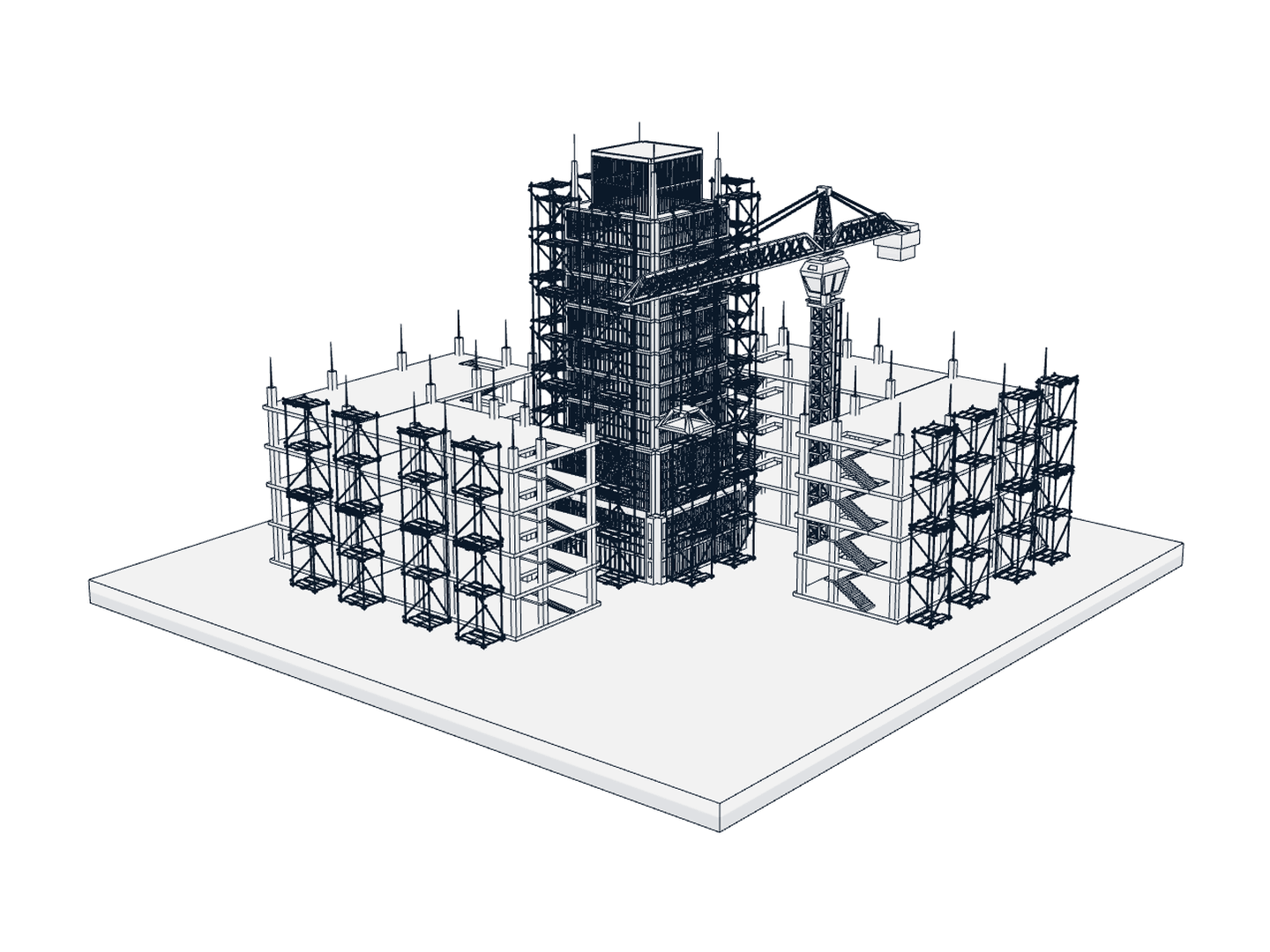
- Structural steelMill of origin and CBAM embedded emissions.
- Frame and fixingsSupplier ownership and sanctions exposure.
- SiteThe subcontractor chain and the modern slavery evidence behind it.
Standards & regulation.
The frameworks buyers in this sector ask about most.
EU CBAM · UK Russia sanctions · OFAC · ISO 14064-1
Related thinking.
Recent insights that bear on this sector.

From 1 January, the EU bans Russian LNG under long-term contracts. Every other cargo must prove where its gas was produced.
Long-term contracts for Russian LNG lose their exemption on 1 January 2027, and EU terminals must stop serving Russian-controlled customers the same day. Importers of non-Russian gas already have to show the country of production before each cargo enters the EU. Traders, terminal users and buyers should check contracts, owners and origin files now.
CBAM’s first real year. What importers will need to show for 2026.
If you import steel, aluminium, cement, fertiliser or hydrogen into the EU, your 2026 carbon bill depends on data from each plant. Certificates go on sale in February 2027 and must be surrendered by 30 September 2027. The charge is small now and rises every year.

Failure to prevent fraud, one year on. What “reasonable procedures” means for your third parties.
Since 1 September 2025, large organisations are liable for fraud committed by employees, agents and subsidiaries for their benefit. The main defence is reasonable procedures, and third parties are where most organisations are thinnest.