Insights
Dated insights on the regulatory and supply shifts our clients are working through. Each is referenced, and ends with what to check.
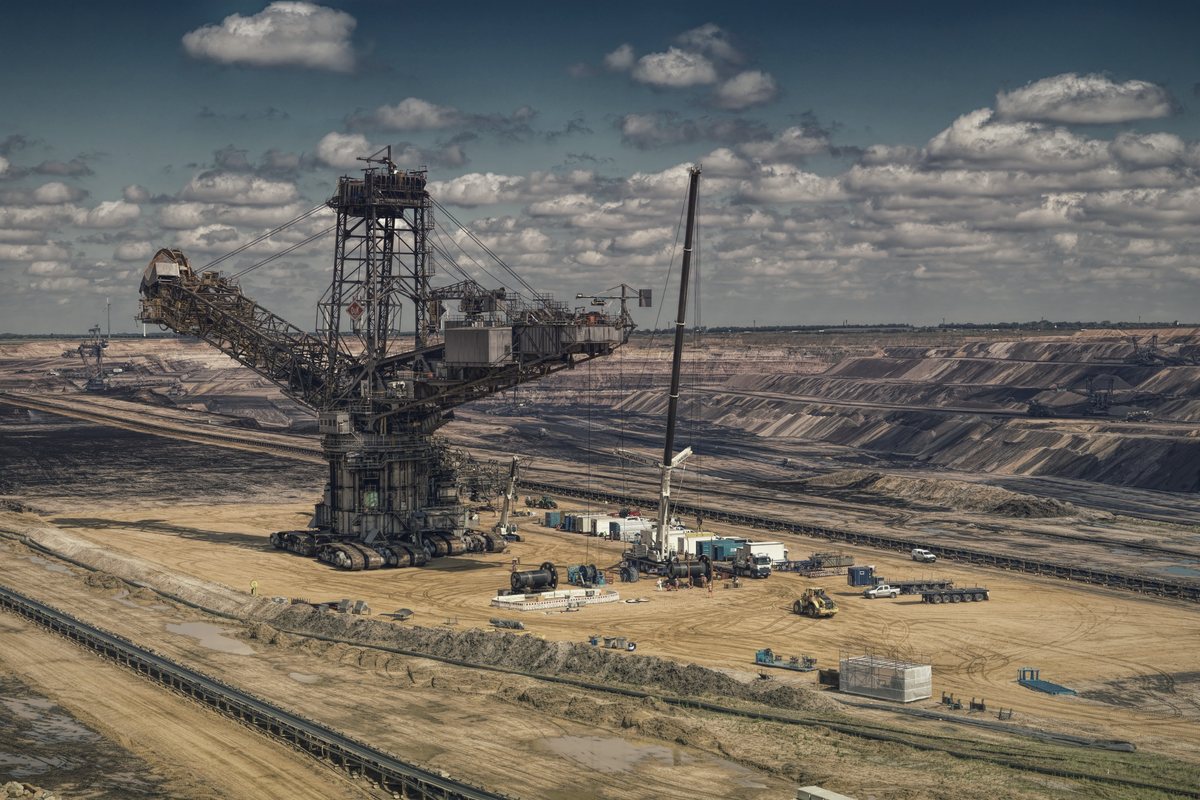
Selling tin, tantalum or tungsten to a smelter: the file decides who buys.
Since June, smelters have had more reason to question the mines that supply them. Smuggled coltan reached audited supply chains, and from 1 January 2027 US defence contracts refuse tantalum and tungsten mined in China. Mines that can prove where each lot came from are the ones smelters can buy from.

From 1 January, the EU bans Russian LNG under long-term contracts. Every other cargo must prove where its gas was produced.
Long-term contracts for Russian LNG lose their exemption on 1 January 2027, and EU terminals must stop serving Russian-controlled customers the same day. Importers of non-Russian gas already have to show the country of production before each cargo enters the EU. Traders, terminal users and buyers should check contracts, owners and origin files now.
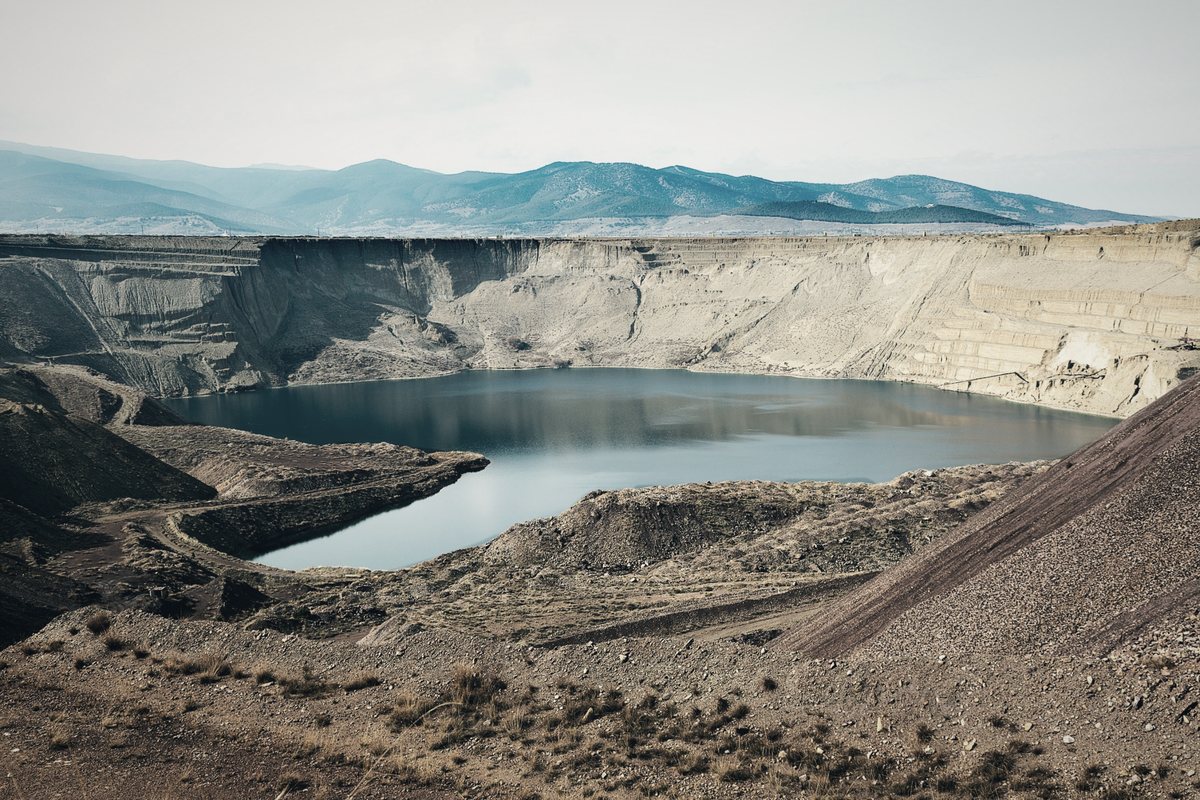
Rare earth magnets: US defence contracts bar Chinese-mined material from 1 January
From 1 January 2027, DFARS 252.225-7052 reaches back to the mine. Magnets, tantalum and tungsten mined, refined or separated in China cannot go into US defence deliveries. Waivers stop being routine on the same day.
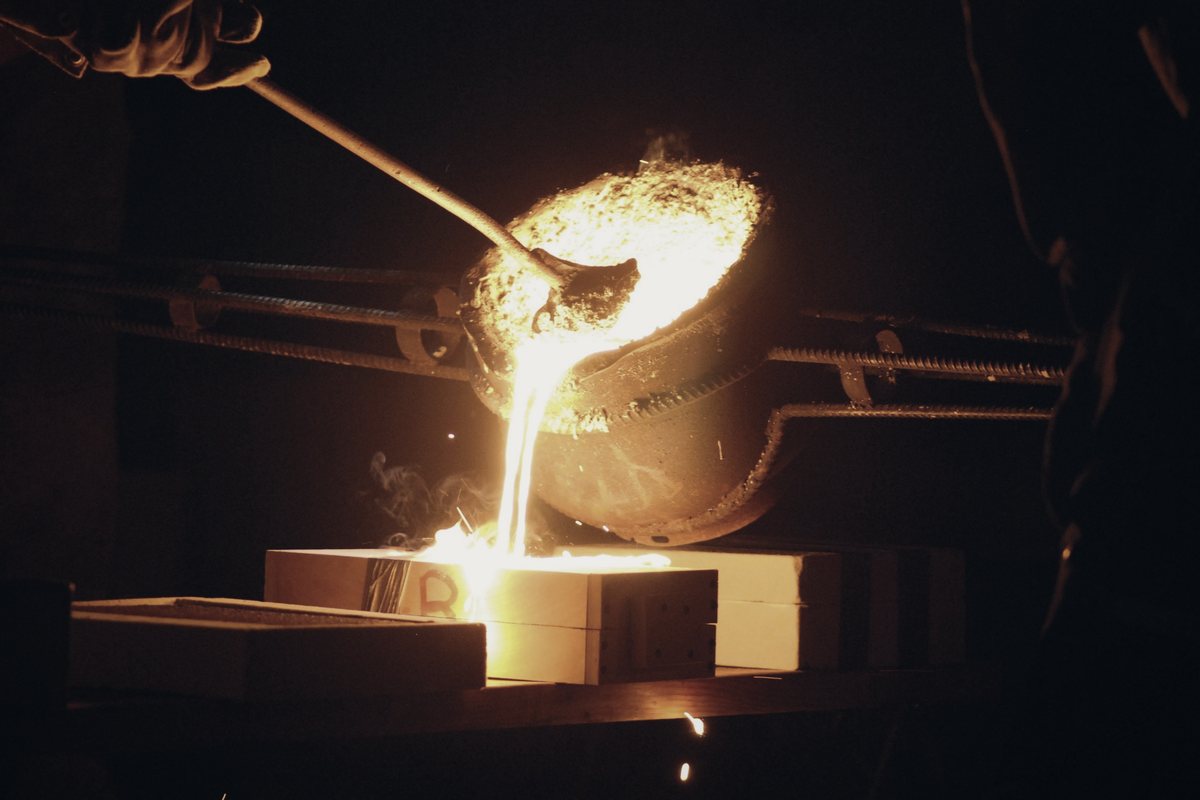
The EU and Switzerland now ban Sudanese gold, including gold that passes through other countries. Mines near Sudan must show where theirs came from.
Since 15 July, EU buyers may not purchase, import or transfer Sudanese gold, directly or through a third country, and Switzerland has followed. A report published on 12 November puts illicit gold imported into the UAE at 591 tonnes in 2024. Refiners and their customers will look harder at every mine near Sudan and every lot routed through Dubai, so those mines should have their origin file ready before they are asked.
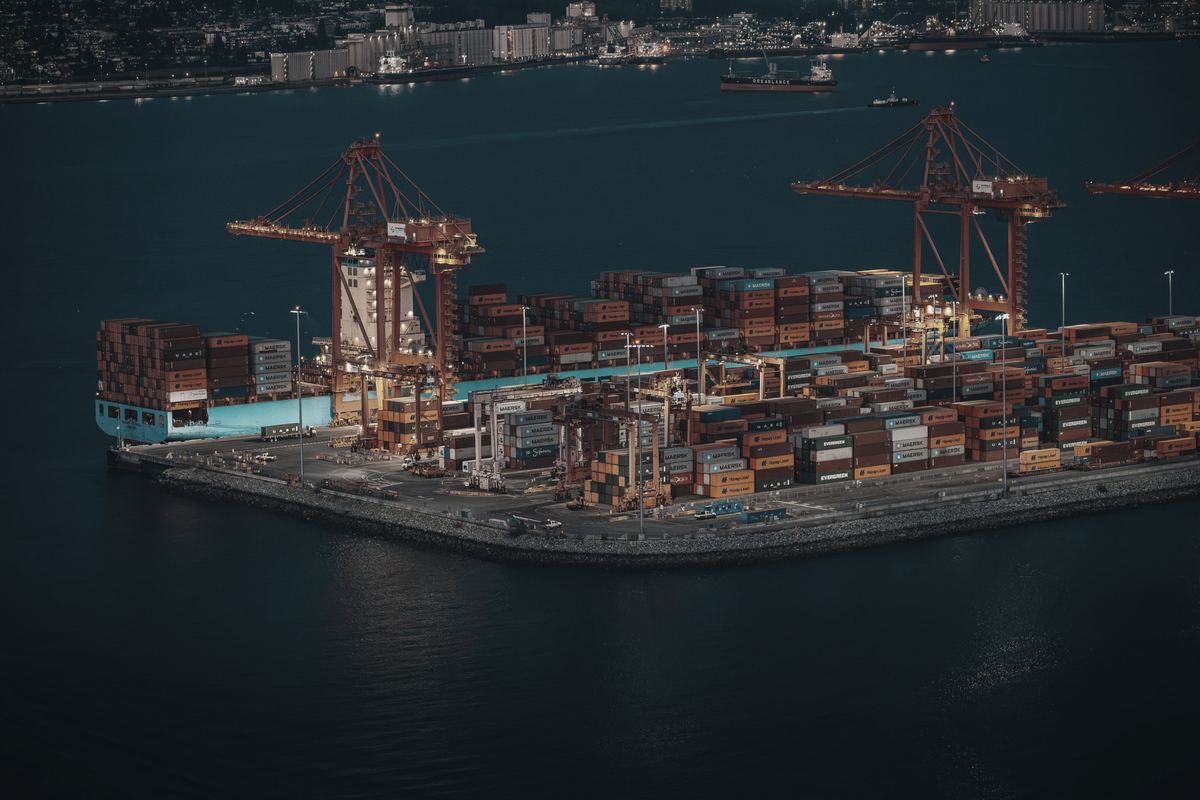
The US-China truce now ends on 10 January. The affiliates rule and China port fees return with it.
The US has moved the BIS affiliates rule and the Section 301 port fees on China-linked ships to the same January weekend as the end of the trade truce. If they return, a customer that is on no list but is 50 per cent owned by a listed company will need a US licence from day one. The rule reaches UK and EU exporters of US-origin items too.

UK suppliers to SAFE programmes are competing for a share of 35 per cent. Your EU customer will ask you to prove yours.
The UK has no SAFE participation agreement, so British components count as third-country content, sharing a 35 per cent cap with US and other non-EU parts. With over €21 billion still to allocate and a second round opening in December, EU primes will ask UK suppliers for cost and origin declarations they have not had to give before.
Where was your transformer made? Data centre buyers are starting to ask.
Power equipment is now the slowest part of a data centre build, and much of the steel and copper inside it comes from China. Hyperscalers, lenders and, soon, UK regulators will want to know where a transformer came from and who made it. Suppliers who can show that are better placed to win the order.
The UK has no forced labour import ban. UK goods now carry a 10% US tariff because of it.
Since 24 July most UK goods entering the US carry an extra 10% duty, because Washington judges UK forced labour rules too weak. A UK ban is years away. US buyers want the evidence now, and the EU’s own ban follows in December 2027.
Selling gold doré to an LBMA refiner: the file decides the terms.
An accredited refiner must check a gold mine before it can buy its doré. LBMA’s new Responsible Gold Guidance, due in December and applying from January 2027, widens what that check covers. Mines that cannot answer it sell through traders, on weaker terms.
When a mine changes hands, the supplier evidence stays behind.
Contracts can follow a mine to its new owner. The checks behind them usually cannot. For anyone taking over an operating or restarting mine, that gap tends to surface at completion, when lenders, partners and regulators all start asking the same questions in the same few weeks.

SAFE money is moving. Suppliers will have to prove where 65 per cent of the cost comes from.
If you supply into an EU defence programme funded by SAFE, your buyer must show that at least 65 per cent of component cost comes from the EU, EEA-EFTA states or Ukraine. British content counts against the rest. Almost €13.5 billion is already allocated.

1,569 new EU listings. A September screen will miss them.
If you export to, distribute for or bank customers with Russian links, a screen run in September will miss 1,569 names. On 12 October the EU listed 826 companies and 743 of their chief executives, the mid-level suppliers behind Russia’s missiles, drones and aircraft.

Delisted is not clean. What buyers of previously sanctioned tankers will need to show.
A US licence may soon let some previously sanctioned tankers trade again. It will not make them clean for UK or EU counterparties, insurers or lenders. Buyers who can evidence a fully severed ownership chain and a clean record from here on will close their deals.
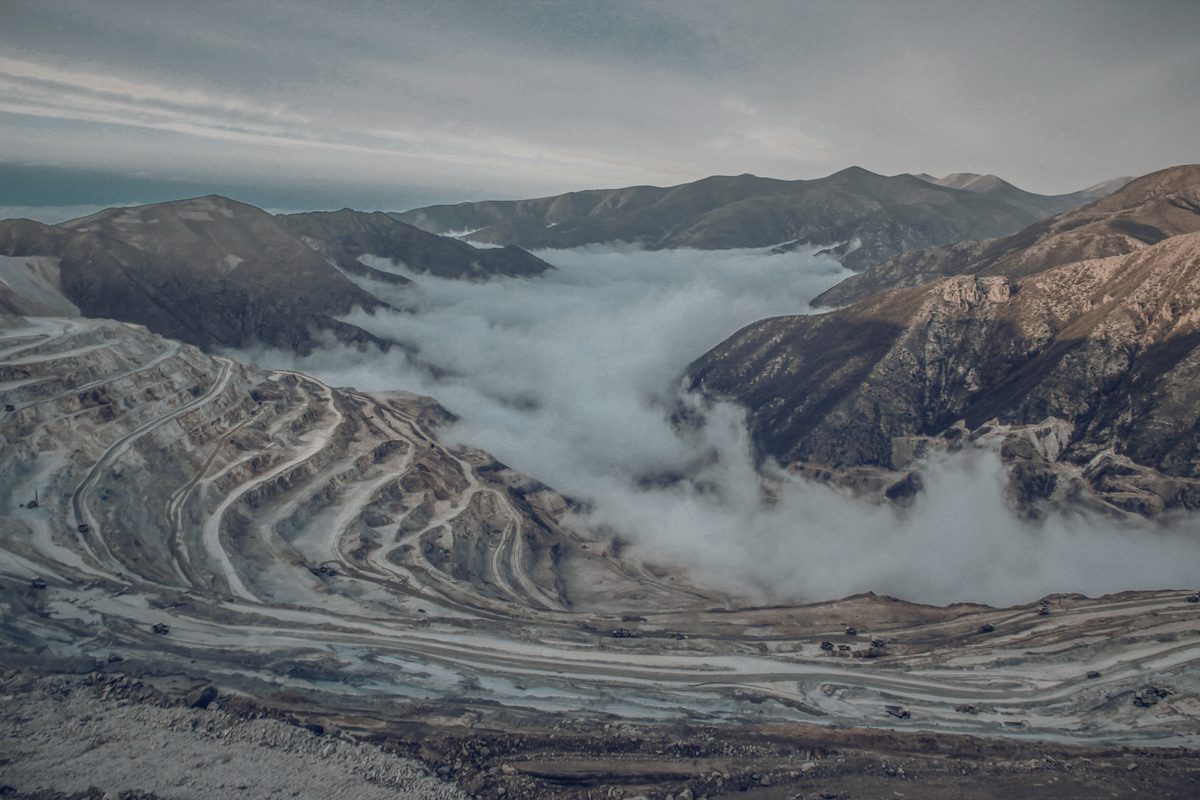
Your EU customer files the EUDR statement. The evidence starts with you.
Since the December 2025 revision, only the business that first places goods on the EU market files the EUDR due diligence statement. For most exporters outside the EU, that is their customer. The information behind it still has to come from the supplier, and customers will ask for it before 30 December.
CBAM’s first real year. What importers will need to show for 2026.
If you import steel, aluminium, cement, fertiliser or hydrogen into the EU, your 2026 carbon bill depends on data from each plant. Certificates go on sale in February 2027 and must be surrendered by 30 September 2027. The charge is small now and rises every year.
China’s rare earth pause now runs to 10 January. Check your magnets before it ends.
China has extended the suspension of its October 2025 rare earth controls to 10 January 2027, two months away. The April 2025 licensing on seven medium and heavy rare earths never stopped, and the 0.1 per cent rule that reaches products made outside China returns if the pause lapses.

EUDR applies on 30 December. There will be no further delay.
If you sell cocoa, coffee, palm oil, rubber, soya, wood or cattle products into the EU, the Deforestation Regulation applies from 30 December 2026. The filing system is open. Geolocation for every plot is still the hardest requirement to meet.

Failure to prevent fraud, one year on. What “reasonable procedures” means for your third parties.
Since 1 September 2025, large organisations are liable for fraud committed by employees, agents and subsidiaries for their benefit. The main defence is reasonable procedures, and third parties are where most organisations are thinnest.

Over 670 listed tankers. Screen the shadow fleet by IMO number, not by name.
If you trade, charter or buy tankers, checking the counterparty is no longer enough. The EU has listed more than 670 shadow fleet vessels and the UK close to 600, and coastal states are boarding ships that fly false flags.

The EU forced labour ban applies in 14 months. The guidance is out; the risk database is not.
If you sell physical goods in the EU, from 14 December 2027 none may be made with forced labour. The Commission’s guidelines arrived in late June 2026; its database of risk areas is still being built.
The UK debarment list is still empty. Your subcontractors still count.
More than a year and a half into the Procurement Act 2023, no supplier has been placed on the central debarment list. But contracting authorities must check every intended subcontractor against it, and an excluded subcontractor can exclude the prime.

The US “affiliates rule” is paused, not gone. Check who owns your customers.
If you export US-origin items, a customer can pass list screening and still be restricted. Washington has now moved the paused affiliates rule to 10 January 2027, two months away. Companies 50 per cent or more owned by listed parties then take on their owners’ restrictions.

The largest UFLPA expansion yet reaches aluminium and copper.
If your products contain aluminium or copper, US forced-labour rules may now reach them. Forty-three companies joined the UFLPA Entity List in August, taking it to 187, which brings transformer, cable and busbar supply chains into scope.
New insights are dated and added here. Follow by RSS.
New insights, by email.
A short email when we publish: dated, sourced, and ending with what to check. Once or twice a month at most.