Insights · Carbon border
CBAM’s first real year. What importers will need to show for 2026.
If you import steel, aluminium, cement, fertiliser or hydrogen into the EU, your 2026 carbon bill depends on data from each plant. Certificates go on sale in February 2027 and must be surrendered by 30 September 2027. The charge is small now and rises every year.
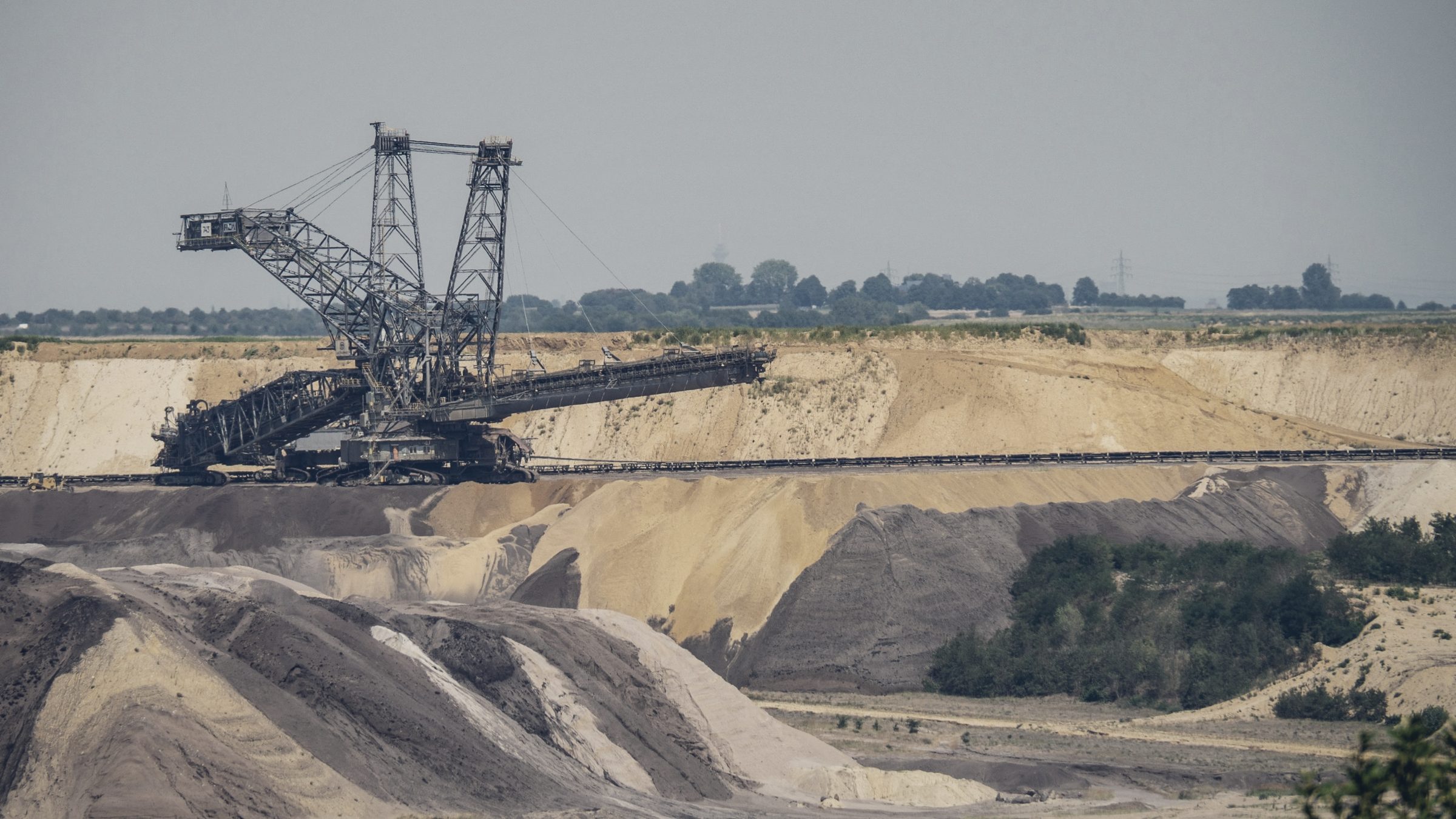
The EU’s Carbon Border Adjustment Mechanism moved from reporting to paying on 1 January 2026. Imports of iron and steel, aluminium, cement, fertilisers, hydrogen and electricity now carry a carbon cost, priced against the EU Emissions Trading System.
Nothing has been paid yet, which is why many businesses have not felt it. That changes next year.
If a customer has sent an EUDR or CBAM questionnaire
Customer Questionnaire Response · Fixed fee · 5 working days. Send your customer a complete answer they will accept, with the evidence behind each reply. Up to 40 questions.
The dates that matter
- 1 January 2026. The definitive regime began. Only an authorised CBAM declarant may import covered goods above the threshold. Importers who applied by 31 March 2026 may keep importing while their application is decided; anyone else needs authorisation before the goods arrive.
- 50 tonnes a year. Importers whose total covered imports stay under 50 tonnes a year are outside the charge. Above it, every tonne counts. Hydrogen and electricity are not covered by the threshold.
- 1 February 2027. CBAM certificates for 2026 imports go on sale.
- 30 September 2027. The first annual declaration is due, and certificates covering 2026’s embedded emissions must be surrendered.
For 2026, the certificate price is the quarterly average of the EU Emissions Trading System (ETS) auction price for the quarter in which the goods were imported.
The number of certificates is reduced to reflect the free allowances EU producers still receive. In 2026 that leaves only a small share of embedded emissions to pay for. The share rises every year until free allocation ends in 2034, so the first bill understates what the same imports will cost by the end of the decade.
Why the data is the cost
The charge depends on the emissions embedded in each product. An importer can use actual emissions, verified at the installation that made the goods, or the Commission’s default values, which are set deliberately high. A steel or aluminium buyer without verified data from its mill pays for a worse carbon position than it may have.
So the commercial question is whether your suppliers can name the installation behind each shipment and give you verified emissions for it. Many trading intermediaries cannot, because they do not know which mill made the goods.
Who outside the EU is affected
A UK exporter selling steel or aluminium products into the EU will be asked by its EU customers for installation-level emissions data. Exporters who can supply it keep their customers’ costs down. Those who cannot become the more expensive supplier, whatever their price per tonne. There is no link yet between the UK and EU carbon markets, and no exemption for UK goods. The UK’s own carbon border mechanism starts on 1 January 2027 for aluminium, cement, fertiliser, hydrogen, and iron and steel. Importers of £50,000 or more of covered goods a year must register.
What to check now
- Your 2026 volumes of covered goods, by Combined Nomenclature (CN) code, against the 50-tonne threshold.
- Which installation made each shipment, and whether the supplier will give you verified emissions for it.
- Who carries the cost in your contracts: buyer, seller or intermediary.
- A cash estimate for certificates on 2026 imports, and for the same volumes in 2028 and 2030, using default values as the worst case.
Sources
- Carbon Border Adjustment Mechanism (European Commission)
- UK CBAM primer (Clifford Chance, September 2026)
- EU CBAM 2026: timeline, deadlines and first payment (Greentryst, 2026)
Published 9 October 2026. General information, not legal advice; the position may have changed since publication. You may quote up to 100 words with credit to Meridian Intermediaries and a link to this page; for anything more, ask us.
Get new insights by email
A short email when we publish. Dated, sourced, and ending with what to check.