
Sectors / 05
Data centres & robotics
We give suppliers to data-centre and robotics projects the material-origin and ownership evidence their customers now require, and help new suppliers find a way in.
What is changing, and what it means for you.
What is changing
- Hyperscaler supplier codes now ask for material origin, forced-labour and conflict-minerals evidence from equipment suppliers.
- US export rules on advanced computing reach the hardware and its end users.
- EU battery rules require due diligence on cobalt, lithium, nickel and graphite.
Who it affects
Equipment suppliers already on hyperscale projects, manufacturers trying to enter the market, the contractors who build and onboard suppliers, and makers of robots and humanoids.
The problem it creates
A supplier already on projects is asked to prove where the copper, aluminium, steel and battery materials came from. A manufacturer trying to enter has the opposite problem: it does not know which projects, contractors or requirements to aim at.
What Meridian does
For suppliers on projects we build the origin and control file the customer’s code asks for. For new entrants we map the projects, contractors and qualification requirements. For contractors we apply one evidence standard across the supply base.
Different businesses, different first steps.
Each starts with a defined scope and a fixed fee, set out in writing the same working day.
If you are
Already supplying hyperscale projects
Your customer’s supplier code asks for material-origin evidence you do not hold.
You receive: Copper, aluminium, steel and battery materials traced towards source, ownership checked, and answers mapped to the code.
If you are
Trying to enter the market
You can make the equipment but do not know which projects or contractors to approach.
You receive: Current and planned projects, the contractors and tier-one suppliers on each, and what they require before qualifying you.
Other starting points
Not sure which fits? Describe the situation
Specimen · Supply Chain Risk Review
See what a finished review looks like.
Twelve pages from a review of a 60-supplier panel ahead of a hyperscaler supplier-code audit: the decision, the heat map, the screening, the risks and the sources behind them. The client, the suppliers and the findings are fictional.
The specimen is ready. Download it now. We have also sent you an email: confirm your address there to receive future insights.
Is a customer audit, supplier code or tender asking about your suppliers?
Tell us about your panel. We reply the same working day with scope, fee and timeline.
Specimen · Your situation
A few answers are enough to start.
Then keep the specimen for when it does. Most panel reviews start with a customer’s question and a deadline. When yours arrives, reply to any of our emails.
A defined first step. Start this week.
For decisions with a date on them. Fixed scope and fixed fee. Request one and we reply the same working day with the fee and a start date.
If you are about to commit to a supplier
Supplier Risk Check
Know before you sign whether a supplier, or anyone who owns it, is sanctioned or on a forced-labour list. Two pages.
If a customer has sent an EUDR or CBAM questionnaire
Customer Questionnaire Response
Send your customer a complete answer they will accept, with the evidence behind each reply. Up to 40 questions.
Every other engagement is scoped to the matter. Send it over and we reply with scope, fee and timeline the same working day.
Fees are fixed and confirmed in writing before work starts. For business customers. Reviews report evidence; legal advice, licence applications and filings remain with your counsel. Terms of sale
Three questions, answered with evidence.
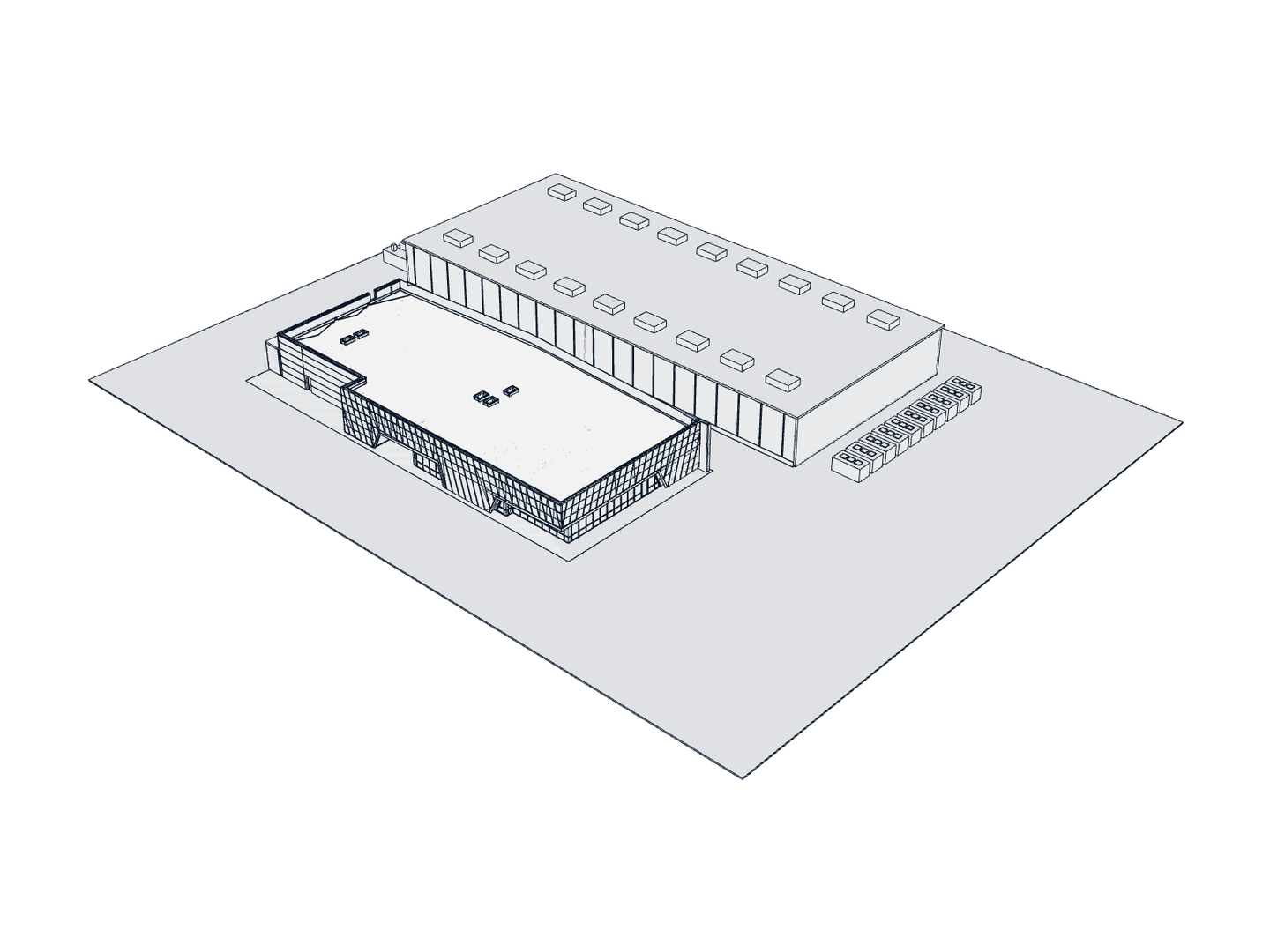 010203
What we read.
- PowerTransformer and switchgear metals: copper and aluminium origin under the UFLPA.
- CoolingChiller components and F-gas compliance.
- Compute hallsEAR advanced-computing rules on the hardware and its end user.
Standards & regulation.
The frameworks buyers in this sector ask about most.
UFLPA · EU Batteries Regulation · OECD Due Diligence Guidance · EAR
Related thinking.
Recent insights that bear on this sector.
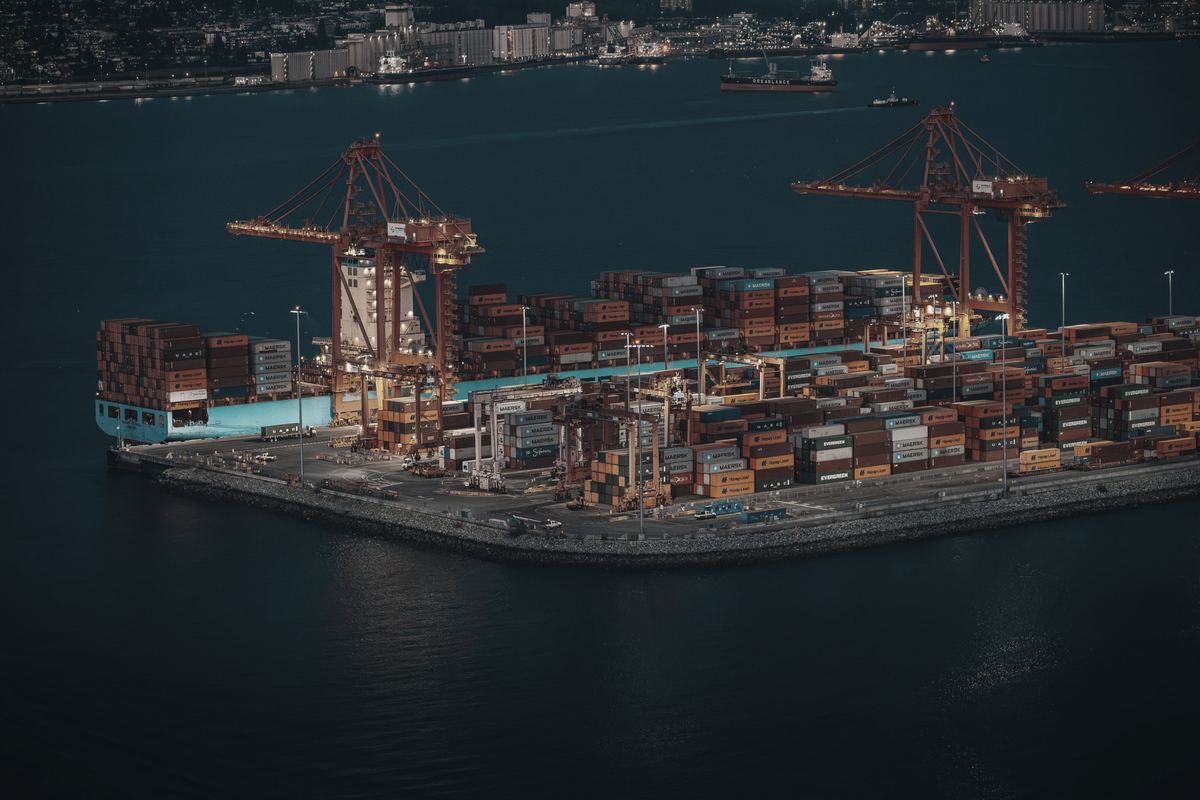
The US-China truce now ends on 10 January. The affiliates rule and China port fees return with it.
The US has moved the BIS affiliates rule and the Section 301 port fees on China-linked ships to the same January weekend as the end of the trade truce. If they return, a customer that is on no list but is 50 per cent owned by a listed company will need a US licence from day one. The rule reaches UK and EU exporters of US-origin items too.
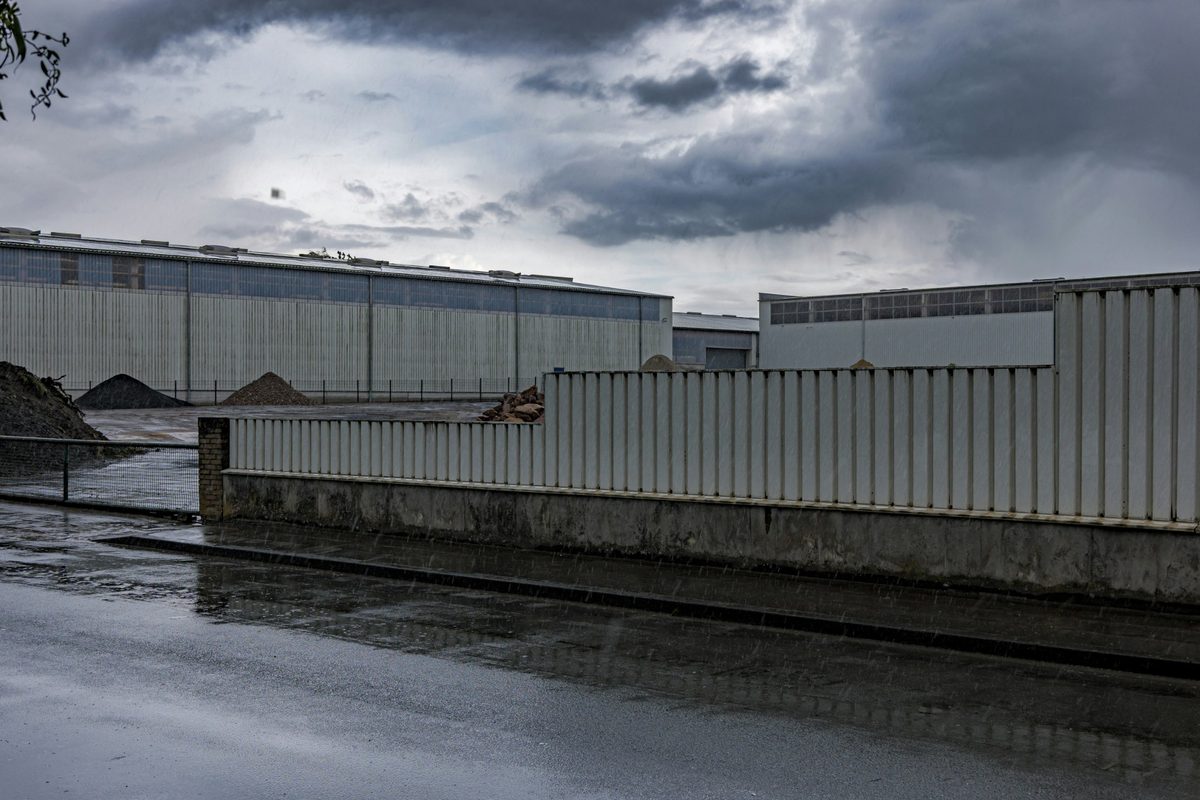
Where was your transformer made? Data centre buyers are starting to ask.
Power equipment is now the slowest part of a data centre build, and much of the steel and copper inside it comes from China. Hyperscalers, lenders and, soon, UK regulators will want to know where a transformer came from and who made it. Suppliers who can show that are better placed to win the order.

China’s rare earth pause now runs to 10 January. Check your magnets before it ends.
China has extended the suspension of its October 2025 rare earth controls to 10 January 2027, two months away. The April 2025 licensing on seven medium and heavy rare earths never stopped, and the 0.1 per cent rule that reaches products made outside China returns if the pause lapses.