Sectors / 02
Critical minerals & rare earths
We trace who mines, processes and owns the material in your supply chain, and show where concentration or listed ownership leaves you exposed.
What is changing, and what it means for you.
What is changing
- China licenses exports of key rare earths and magnet materials, and can widen those controls at short notice.
- The US forced-labour entity list now reaches aluminium and copper as well as polysilicon.
- EU rules on critical raw materials and batteries require due diligence back to source.
Who it affects
Importers and traders of metals, manufacturers that depend on magnets or battery materials, and businesses moving physical cargo between jurisdictions.
The problem it creates
The supplier on the invoice is rarely the source. Ownership by a listed or state-linked entity often sits one or two tiers back, and customs, customers and lenders increasingly ask for proof of where material came from.
What Meridian does
We trace material from supplier to smelter, refinery or mine, identify who owns each link, and grade the evidence for every step so you can see what is proven and what is assumed.
Different businesses, different first steps.
Each starts with a defined scope and a fixed fee, set out in writing the same working day.
If you are
Importing metals or mineral products
You cannot say which smelter or refinery stands behind your supplier, or who owns it.
You receive: Each supplier traced towards source, owners identified and screened, and exposure graded against forced-labour and sanctions lists.
If you are
Selling gold doré to an accredited refiner
Your refiner must verify your mine before it can buy your gold.
You receive: The file a refiner’s compliance team reads, in the order it reads it, with a plain rating on page one.
Other starting points
Not sure which fits? Describe the situation
Priority reviews. Start this week.
For decisions with a date on them. Fixed scope and fixed fee. Request one and we reply the same working day with the fee and a start date.
If your customer or supplier list was last screened before October, or the business has changed hands
Counterparty Rescreen
Find out which of your customers, distributors or suppliers are now sanctioned, or owned by someone who is. Up to 250 names.
If you are about to commit to a supplier
Supplier Risk Check
Know before you sign whether a supplier, or anyone who owns it, is sanctioned or on a forced-labour list. Two pages.
Every other engagement is scoped to the matter. Send it over and we reply with scope, fee and timeline the same working day.
Fees are fixed and confirmed in writing before work starts. For business customers. Reviews report evidence; legal advice, licence applications and filings remain with your counsel. Terms of sale
Three questions, answered with evidence.
 010203
What we read.
- Mine of originLicence, ownership and the OECD Annex II risks at site.
- Concentrator and smelterIdentity and RMAP status of every processing step.
- Chain of custodyEach transfer to export, and any conflict-affected or high-risk area on the way.
Standards & regulation.
The frameworks buyers in this sector ask about most.
OECD Due Diligence Guidance · LBMA · RMAP · EU Batteries Regulation · UFLPA
Related thinking.
Recent insights that bear on this sector.
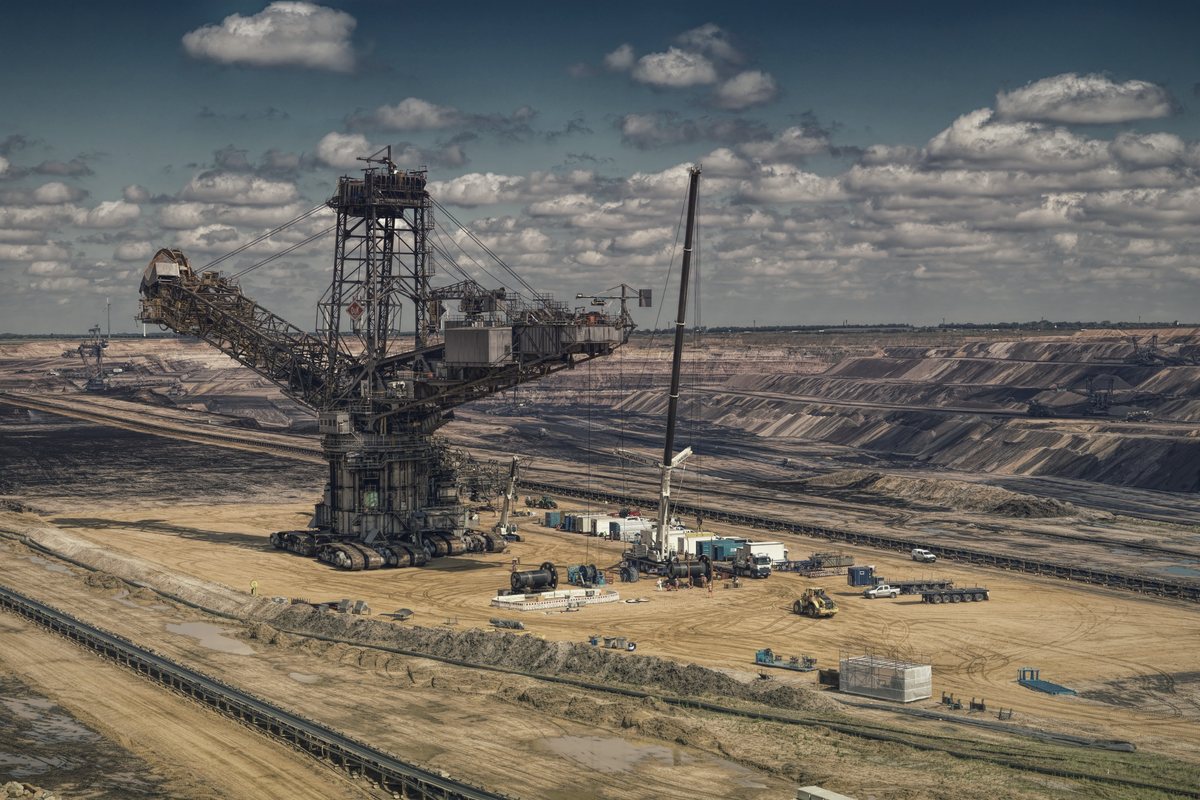
Selling tin, tantalum or tungsten to a smelter: the file decides who buys.
Since June, smelters have had more reason to question the mines that supply them. Smuggled coltan reached audited supply chains, and from 1 January 2027 US defence contracts refuse tantalum and tungsten mined in China. Mines that can prove where each lot came from are the ones smelters can buy from.
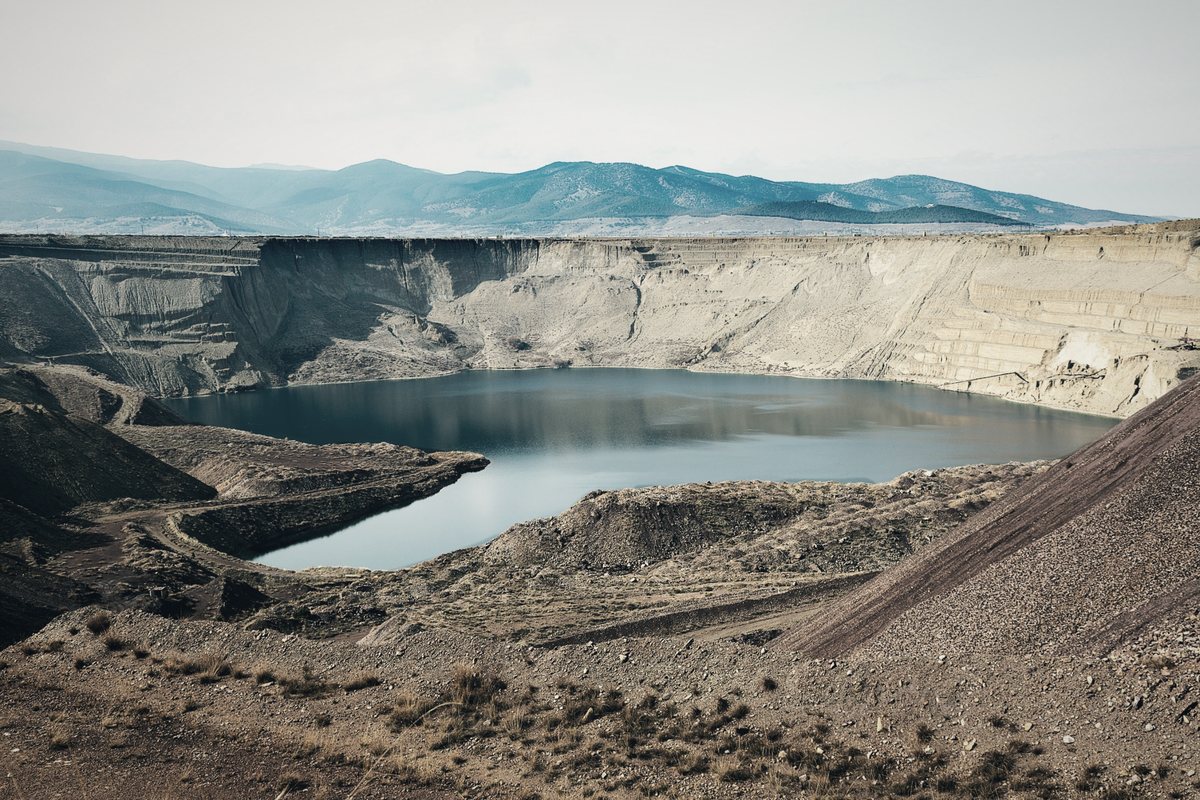
Rare earth magnets: US defence contracts bar Chinese-mined material from 1 January
From 1 January 2027, DFARS 252.225-7052 reaches back to the mine. Magnets, tantalum and tungsten mined, refined or separated in China cannot go into US defence deliveries. Waivers stop being routine on the same day.
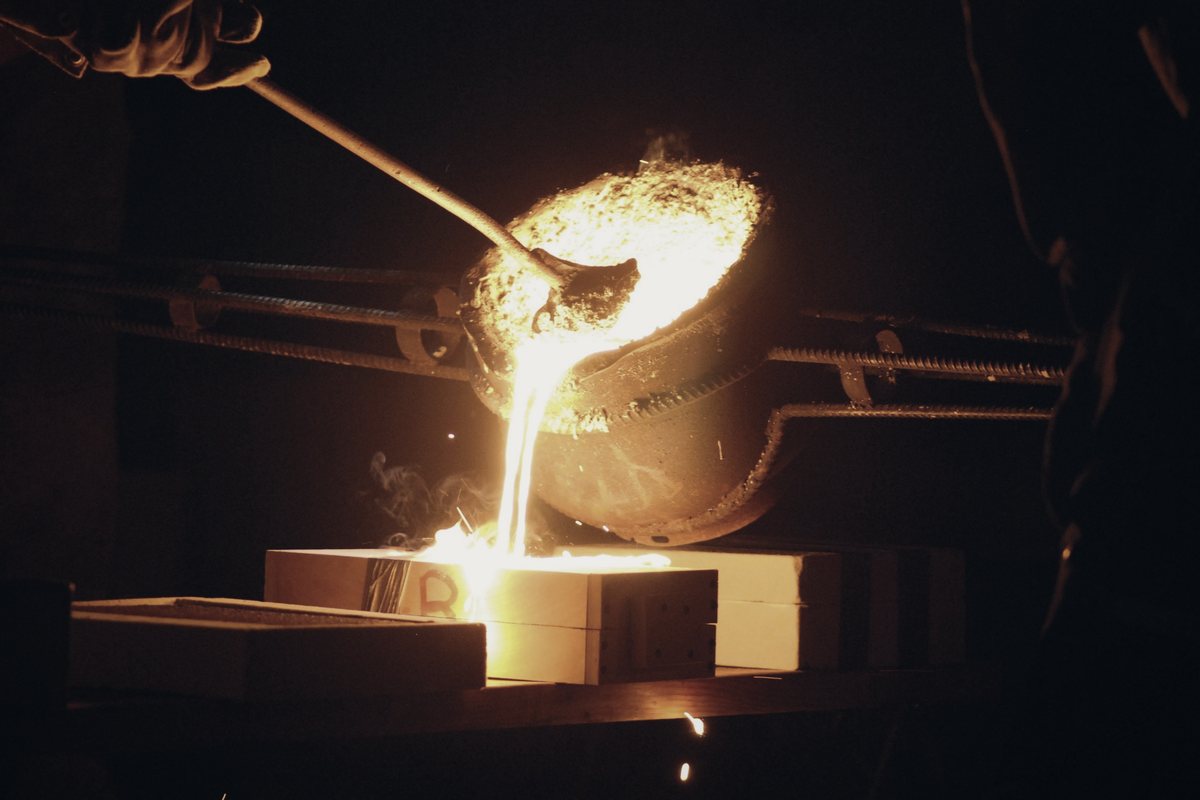
The EU and Switzerland now ban Sudanese gold, including gold that passes through other countries. Mines near Sudan must show where theirs came from.
Since 15 July, EU buyers may not purchase, import or transfer Sudanese gold, directly or through a third country, and Switzerland has followed. A report published on 12 November puts illicit gold imported into the UAE at 591 tonnes in 2024. Refiners and their customers will look harder at every mine near Sudan and every lot routed through Dubai, so those mines should have their origin file ready before they are asked.