Sectors / 07
Fashion & consumer goods
We show fashion and consumer brands where forced-labour and origin risk sits below their direct suppliers, and build the evidence to prove a clean chain.
What is changing, and what it means for you.
What is changing
- The US forced-labour entity list keeps growing and now names more cotton, textile and materials suppliers.
- The EU’s ban on products made with forced labour applies from December 2027.
- Retailers and marketplaces are asking suppliers for sub-tier origin evidence.
Who it affects
Importers selling into the US, brands preparing for the EU ban, and manufacturers whose customers have started asking where materials come from.
The problem it creates
Audits cover the factory, not the yarn, fabric or trims behind it. A single listed sub-supplier can stop a shipment at the border, and most brands cannot see that far back.
What Meridian does
We map suppliers below the first tier, screen them against forced-labour and sanctions lists, and assemble origin evidence your customs adviser or customer can rely on.
Different businesses, different first steps.
Each starts with a defined scope and a fixed fee, set out in writing the same working day.
If you are
Importing into the US
You do not know whether any supplier in your chain is on the forced-labour entity list.
You receive: Your suppliers screened, sub-tiers mapped, and the most exposed vendors flagged to act on first.
If you are
Preparing for the EU forced-labour ban
You need to know where cotton, yarn and fabric come from before 2027.
You receive: Material flows traced below the first tier, with each link’s evidence graded.
Other starting points
Not sure which fits? Describe the situation
A defined first step. Start this week.
For decisions with a date on them. Fixed scope and fixed fee. Request one and we reply the same working day with the fee and a start date.
If you are about to commit to a supplier
Supplier Risk Check
Know before you sign whether a supplier, or anyone who owns it, is sanctioned or on a forced-labour list. Two pages.
If a customer has sent an EUDR or CBAM questionnaire
Customer Questionnaire Response
Send your customer a complete answer they will accept, with the evidence behind each reply. Up to 40 questions.
Every other engagement is scoped to the matter. Send it over and we reply with scope, fee and timeline the same working day.
Fees are fixed and confirmed in writing before work starts. For business customers. Reviews report evidence; legal advice, licence applications and filings remain with your counsel. Terms of sale
Three questions, answered with evidence.
 010203
What we read.
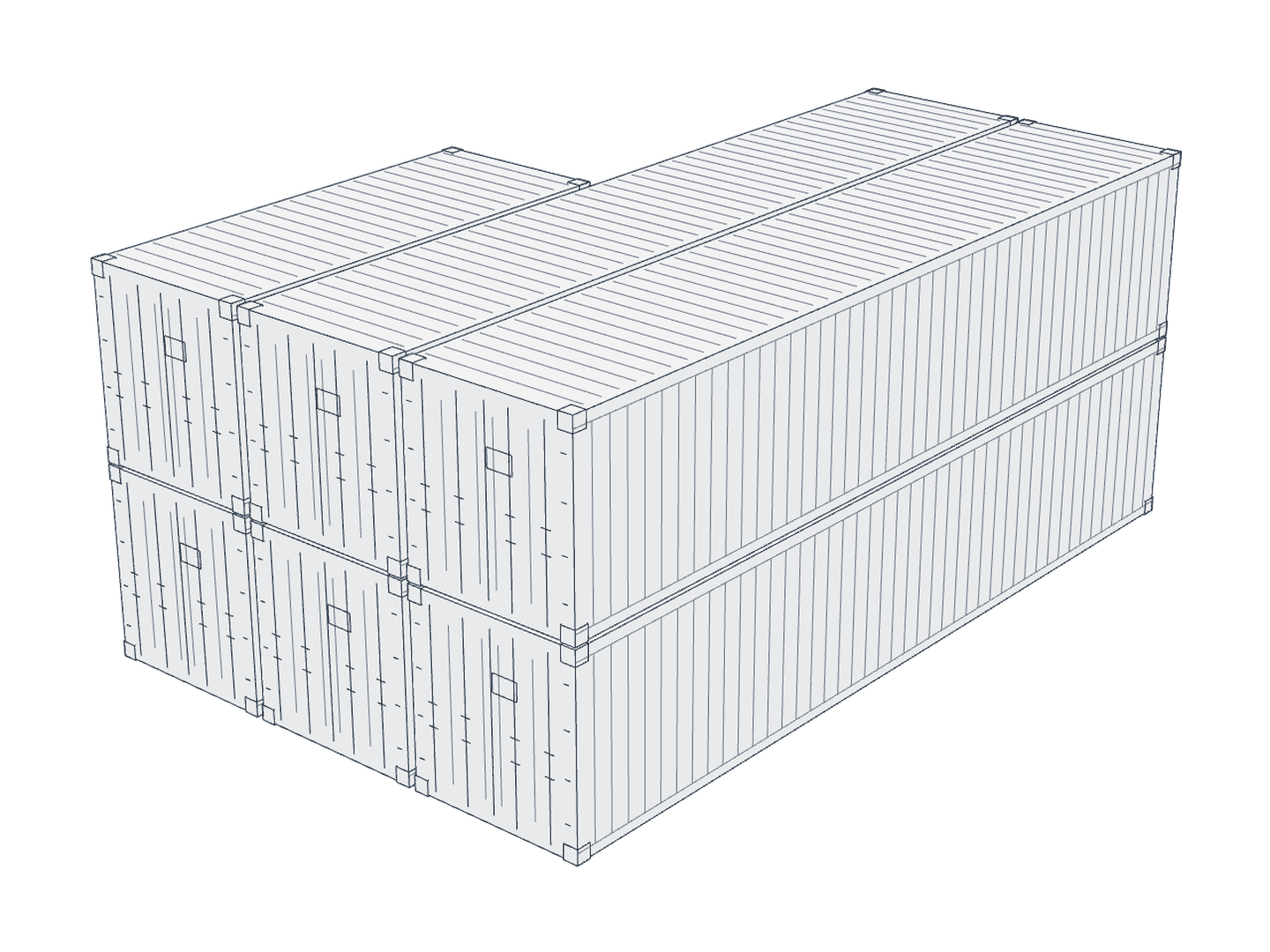
- ContainerDeclared origin and any transhipment on the route.
- ContentsCotton and textile origin under the UFLPA and the EU forced labour ban.
- PaperworkThe supplier identity behind the invoice.
Standards & regulation.
The frameworks buyers in this sector ask about most.
UFLPA · EU Forced Labour Regulation · Modern Slavery Act · SMETA
Related thinking.
Recent insights that bear on this sector.

The UK has no forced labour import ban. UK goods now carry a 10% US tariff because of it.
Since 24 July most UK goods entering the US carry an extra 10% duty, because Washington judges UK forced labour rules too weak. A UK ban is years away. US buyers want the evidence now, and the EU’s own ban follows in December 2027.

Your EU customer files the EUDR statement. The evidence starts with you.
Since the December 2025 revision, only the business that first places goods on the EU market files the EUDR due diligence statement. For most exporters outside the EU, that is their customer. The information behind it still has to come from the supplier, and customers will ask for it before 30 December.

EUDR applies on 30 December. There will be no further delay.
If you sell cocoa, coffee, palm oil, rubber, soya, wood or cattle products into the EU, the Deforestation Regulation applies from 30 December 2026. The filing system is open. Geolocation for every plot is still the hardest requirement to meet.